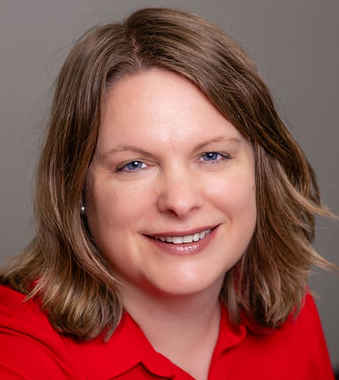
230. Handling OCD Flare Ups with ICBT: A Personal Story with Rachael Kelley
In this episode, Carrie sits down with Rachael Kelley, a Christian writer and former Empowered Mind student, to discuss navigating OCD flare-ups, overcoming scrupulosity, and learning to trust God’s love throughout the recovery journey.
Episode Highlights:
- How Rachael Kelley learned to navigate OCD flare-ups without viewing them as failures in recovery.
- The primary obsessional doubt that was driving many of her scrupulosity fears.
- Why OCD often disguises itself as spiritual conviction and how to recognize the difference.
- The ICBT strategies that helped her challenge intrusive thoughts and obsessional reasoning.
- How learning to tolerate uncertainty strengthened both her recovery and her faith.
- Practical tools, support systems, and mindset shifts that continue helping her move forward when OCD resurfaces.
Episode Summary:
The Recovery Truth Most Christians With OCD Don’t Expect
What if one of the biggest signs of growth isn’t the absence of OCD, but how you respond when it comes back? Many Christians begin recovery hoping for a day when intrusive thoughts completely disappear, only to find themselves discouraged when symptoms resurface. In this episode, Rachael Kelley, Christian writer, OCD advocate, and former Empowered Mind: Christian ICBT for OCD student, shares her honest journey through scrupulosity OCD, relationship OCD, and one of the most difficult seasons of her recovery.
Why Do OCD Flare-Ups Happen Even After Significant Progress?
Many people assume that once they’ve found the right treatment or recovery tools, OCD should stop showing up altogether. Rachael shares what happened when intrusive thoughts returned after significant progress and how those moments challenged everything she thought recovery was supposed to look like. Instead of signaling failure, these flare-ups revealed something unexpected about the healing process that continues to shape her journey today.
How Can Christians Tell the Difference Between God’s Voice and OCD?
One of the most painful struggles of scrupulosity OCD is the fear that intrusive thoughts might actually be God trying to get your attention. Rachael opens up about how this fear kept her trapped for years and why learning to recognize the difference became a turning point in her recovery. She shares a framework that helped her begin separating anxiety-driven messages from the character and nature of God.
What Is the Hidden Fear Driving So Many Scrupulosity Obsessions?
On the surface, OCD can appear to be about dozens of different concerns, from theology and morality to relationships and decision-making. But what if those obsessions are all connected by a deeper fear? Rachael shares the primary obsessional doubt she uncovered through ICBT and why identifying that root issue changed the way she approached recovery.
Can Your Brain Really Change After Years of OCD?
When OCD feels relentless, it can be hard to imagine life looking any different. Rachael describes a season when anxiety became so overwhelming that she questioned whether she could continue functioning normally. What happened next wasn’t an overnight transformation, but a series of changes that gradually shifted her relationship with intrusive thoughts and helped her find hope again.
Why Does Uncertainty Feel So Intolerable With OCD?
Whether it’s a major life decision, a theological question, or a new relationship, uncertainty often becomes fertile ground for OCD. Rachael shares why the search for certainty kept pulling her deeper into anxiety and what she learned about moving forward when answers aren’t available. Her perspective may challenge the way many Christians think about faith, trust, and control.
How Can ICBT Help You Break Free From OCD’s Reasoning Traps?
One of the most powerful parts of Rachael’s story is learning how OCD convinced her to distrust what was right in front of her. Through concepts like primary obsessional doubt, sense data, and obsessional reasoning, she began recognizing patterns she had never seen before. These insights didn’t eliminate every struggle, but they completely changed how she responded when OCD tried to pull her back into old cycles.
What Happens When You Stop Chasing Perfect Recovery?
For many people with OCD, perfectionism quietly follows them into the recovery process. Rachael shares how letting go of the expectation of perfect healing opened the door to something far more sustainable.
Rachael also shares the surprising realization that helped her navigate future flare-ups, the practical email inbox analogy she uses to sort intrusive thoughts without getting stuck in them, and the encouragement she wishes someone had given her during her darkest season. If you’ve ever wondered whether recovery is still possible when OCD keeps showing up, this conversation offers hope, perspective, and a powerful reminder that setbacks don’t have the final word.
Connect with Rachael:
www.instagram.com/rachael.anne.writes
rachaelannewrites.substack.com
rachaelannewrites.substack.com/p/the-ultimate-resource-guide-for-christians
Transcript
Carrie: Today we are returning with our summer personal story series, and I have with me today Rachael Kelley, who was one of our Christians Learning ICBT students, that we have rebranded that course to Empowered Mind Christian ICBT for OCD. I’m excited to hear from her since it’s been a little while since she’s taken the course and just kind of has had a little bit of time to practice, and we’re talking about those times where OCD flares up today and how to continue practicing skills that you’ve already learned.
Carrie: I know this is gonna be relevant for many of you as you’re on your recovery journey.
Welcome, OCD warriors, to the Christian Faith and OCD podcast, where we are all about reducing shame and stigma of struggling with OCD as a Christian, sharing hopeful stories, and replacing uncertainty with faith as you develop practical tools for greater peace.Carrie: I’m Carrie Bock, Christ follower, wife, mom, and licensed professional counselor in Tennessee. I pray you are blessed by today’s episode
Welcome, Rachael. Glad to have you here today.
Rachael: Thanks. I’m glad to be here.
Carrie: Yeah. How did you discover that you were dealing with scrupulosity OCD? How did that come about?
Rachael: Really, when I look back at my childhood, I can see kind of patterns of OCD popping up, but it wasn’t really until I was in college that it really manifested itself as relationship OCD to start. A couple years after that, I was dealing with a particular string of intrusive thoughts that led me down a research rabbit hole, and eventually to a Reddit forum that made me realize, like, “Oh, this might be OCD that I’m dealing with.”
Rachael: I’ve been a Christian my whole life, but my faith has really become more and more important to me over the past couple years. And as that was growing, the scrupulosity also started growing. It seemed like the more I cared about doing the right thing in a Christian sense, the more my OCD was latching onto that and twisting it.
Carrie: That’s frustrating, right?
Rachael: Yeah, definitely. I had a friend who I met with super early on in the process of, like, learning that I had OCD too. Just that initial dose of empathy was really helpful, like, okay, somebody else gets it. And from there I kinda started doing my own research, which eventually led me to finding this podcast, which was just about four years ago now that I first stumbled upon it.
Carrie: Awesome. You’ve been around a little while then. People have different thoughts about OCD recovery. I think initially they’ll come and say, “Okay, I just never wanna have another intrusive thought ever again,” and we have to educate people. Everyone has intrusive thoughts, even people that don’t have OCD. How has your perspective on, like, healing and OCD recovery changed from maybe where you were in the beginning?
Rachael: That’s a good question. Actually, like a long time ago, probably like a year or two after I had listened to the podcast, I remember, and I don’t know if you remember this, but I had, like, sent you a Facebook message or something, and I was like, “Hey,” like, “thanks so much for just what you’re doing for this community.
Rachael: It’s awesome.” And then you had said something like, “Well, we’re always looking for people to share their story on the podcast if you’re interested.” At the time I was like, “I don’t think I’m at a place where I can go on that podcast and be like, ‘Look at what I’ve learned,'” ’cause I was really just in the thick of it still.
Rachael: And so I kind of over time formulated this goal of like, okay, one day I’m gonna reach this point of healing where I feel good enough and, like, perfect enough to go on the podcast and be like, “All right, guys, you can make it through, like everyone else made it through to this perfect healing state, and now I’m there, too.”
Rachael: So that has definitely adjusted. Over the past, like, six months or so, like there’s been growth throughout the whole journey, but definitely the most healing has happened over the past six months, and that’s thanks in combination to getting on a good medicine And at the same time taking the ICBT course with you.
Rachael: But even since then, I’ve experienced the whole healing is not a linear journey thing that people say. I’ve had plenty of flare-ups along the way, especially if there’s, like, something new happening or a change, or I have to make an important decision. Yeah, things can really flare up for me. But with the new tools I was learning, God has, like, given me The grace to start getting back to this new normal that I now get to live from.
Rachael: Yeah, such a blessing, and probably something I now take for granted. But now when I go through flare-ups, I get frustrated, but I also trust that it’s gonna pass, ’cause, like, if God got me through all those other ones, then He’s gonna get me through this next one, too. Now, coming on the podcast, I don’t feel like I have reached that 100% healed state.
Rachael: I don’t think I’m gonna get there, or any of us will get there until we get to heaven or the new creation. But I think it’s important for people to know that even if they still feel like they’re in the middle of this healing process, which all of us are, that struggling with their OCD doesn’t mean you’re failing.
Rachael: God is really teaching us something different each stage of the journey, and there’s no rush to achieve a certain level of healing by any particular point. We can do what we can, but we just gotta trust His sovereignty. Just trust that there’s still gonna be growth happening, even if we can’t feel it, and we can still pursue our values and still live meaningful lives even when we are struggling with OCD.
Carrie: Yeah. Was that a hard acceptance to come to you of, like, “Okay, sounds like I can still live a good life even though there are gonna be some of these mental health struggles that pop up from time to time”?
Rachael: I think it took me a while to get there, and probably, like, something I would still struggle with, ’cause I feel like a lot of people that have OCD are also either perfectionists or have some control issues in some way.
Rachael: So I definitely spend a lot of time being like, “All right,” like, “it’s not just quite right. Like, if I could just obsess a little bit less, it would be perfect, and then I would be better.” So I still have to check myself in that area sometimes. But I think my overall mindset towards it has shifted, and I’m like, “Okay, like, I’m at a livable level.
Rachael: I can get through the day. I can connect with people.” Not every minute is fun. Sometimes I’m struggling, especially during lunch, for some reason. I don’t know if it’s ’cause I, like, take a break from work, and now my mind is wandering.
Carrie: Free space to think.
Rachael: Yeah. But I think it’s just normal to go through those ebbs and flows.
And kind of releasing the control of, like, it has to be perfect all the time, it’s been helpful.
Carrie: Where were you at before you took the ICBT course? Like, what was going on that you said, “You know what? I need a little bit of extra help or support at this point in my life”?
Rachael: Over those few years after I realized I had OCD and, like, deciding to take the course, I had tried a lot of different things.
I was working, and I still work with a Christian counselor, but she’s not trained in OCD. So we had tried some things like EMDR that didn’t quite touch on the OCD, but it was helping with other things. So I would do a lot of stuff on my own. I would try ERP things on my own. I would do different workbooks.
I had tried getting healing prayer, just, like, asking God, “Heal me, strengthen me.” And I had even tried an ICBT workbook on my own, like, earlier last year. So I took the course in the fall, and sometime in, like, the spring or summer- I had tried, what’s the guy’s name that developed OCD?
Carrie: Dr. Ardema.
Rachael: Yeah, I had his workbooks, and I made it through the first one, and then the second one is very dense and overwhelmed.
Carrie: You were like, “What in the world is he talking about right here?” Yeah. Number two has a lot of meat in there
Rachael: Yeah, during the summer last year, I was hitting really, like, a rock bottom point. My OCD was so flared up that it felt like everything I looked at was just triggering an obsession. That might be a hyperbole, but that’s what it felt like in my brain.
There was a point where I was obsessing a lot about my job, and I was afraid, like, am I gonna be able to, like, keep functioning and keep working, or is this OCD gonna, like, make me so that I can’t even work? And I ended up being able to stay at work, and I didn’t drop out or anything, but it was right around then where I decided to take the course.
I had to prove to myself, like, okay, can I make it through another week of work? And if so, then I will take this course. If not, then do I need to go to, like, get more extreme treatment somewhere? I don’t know.
Carrie: Wow. So you were on the verge of, “I might need to go somewhere and get residential or intensive outpatient-type treatment.”
Rachael: Yeah, there was one day that was especially bad where I was like, “Oh, my gosh, is this where I’m headed?” Luckily, that wasn’t the case. God was able to get me through that day, and then got through the rest of the week, and I feel like that was a turning point where I was really like, “Okay, I cannot keep listening to this voice of OCD.”
Like, I have to be like, “No, I’m not gonna listen to you because it was just destroying me from the inside out.” So that was kind of this turning point, and then when I felt that little bit of strength again, like, okay, I can make it through a work week, I think this course is the next right step. So I decided to take the course, to invest in that.
Rachael: There were so many things that helped me through it. I feel like I recommend it to everybody now because.
Carrie: Aw that’s sweet …
Rachael: yeah, there were just so many, like, aha moments throughout. It really breaks down OCD and helps you understand it a lot better, like how does it work. And I was kinda glad too that I had done some of the resolving OCD workbook beforehand ’cause it felt like, okay, I’m, like, getting a review of these things I was learning now.
But now from having that Christian perspective as well was really helpful, so I felt like that really grounded me. Overall, it was a really good experience. I remember every Monday afternoon, it felt the little safe haven where I was like, okay, now I’m gonna have somebody that understands me, speaking life, and, like, helping me not feel my brain is beyond repair.
Carrie: Yeah. I think the hope piece is so huge. Like, that’s one of the reasons that we’re here. Whether people take the course or not, just them being able to have hope that they can get better, have a different relationship, you know, with their OCD is, is really important and really huge for people to hear, regardless of how bad it feels right now.
Carrie: Tell us about some of the things that you learned that stood out to you in terms of ICBT, learning about primary obsessional doubt, those types of things.
Rachael: Yeah. I feel like, I mean, so many things from it stuck out to me, but the primary obsessional doubt was one of them. Also, the idea of, like, sense data So basically checking if an obsession is based on sense data is, okay, is this obsession grounded in reality or is it coming from the imagination?
And that’s a really good litmus test to see if something is OCD or not. The primary obsessional doubt was really eye-opening. Just like the idea that all of our obsessions, or at least you could have a couple different primary doubts. Is that right?
Carrie: Yeah. I mean, I think you can, but in terms of scrupulosity, you want to really…
Carrie: Like, it can just go in so many different directions and have you stuck on a particular scripture verse or stuck on a particular obsession over here, and you can get lost in the weeds, and you never really actually get to the root of what the doubt actually is, if that makes sense.
Rachael: Once I kind of thought about that with your help, I think we had an email exchange, and you were like, “Hey, don’t get distracted by all these obsessions and where they’re taking you.
Like, look at what is the thing that is connecting them all. What is the root of all this?” And for me, I learned that was the obsession that if I do the wrong thing, God is gonna stop loving me, and this is, like, nowhere in the Bible does it say that. But in my brain, for some reason, that’s what I was afraid of.
So I had a lot of obsessions targeted around, like, okay, is this thing sinful or not? Can I watch this movie? Can I read this book? Can I listen to this certain pastor? Can I be friends with this person? Just really being distressed by the idea of I have to make sure I’m not sinning, or else I’ll lose God’s love.
Rachael: When I’m outside of that OCD head space, and I look at that, I’m like, no, scripture says that God, no one can snatch me out of His hand, and He loved me when I was still His enemy, so, like, why would He stop loving me now? But when you’re in the head space of that, it just seems totally legit that, oh, yeah, what if God doesn’t love me?
Or, like, what if He stops because of something I’ve done?
Carrie: Yeah, and it kinda goes to the obsessional reasoning process that the first step is that you distrust the sense data. I think sometimes that’s distrusting the scriptures, and, like, for Christians, well, I don’t know if that really applies to me ’cause OCD will tell you, like, “Yeah, that’s for other people,” or, “I don’t think that really applies to you or what you’re dealing with.”
Carrie: Yeah, like, feeling disconnected from God’s love or heard that from other people as well. But I think obsessions that you’re talking about, about decision-making and morality and sinning and not sinning are very common for a lot of different Christians. So really targeting that, and then what was it like for you when you went into, like, your alternative narrative, and you were able to utilize some of those scriptures?
Carrie: Did that help you, you know, through that process?
Rachael: Yeah. The alternative narrative was really powerful for me. Basically, and correct me if I’m wrong about any of this, but the alternative narrative is kind of presenting, like it seems, an alternative story that you can tell yourself versus this obsessional story that OCD has been telling you.
Rachael: OCD, like, takes all of these facts, or things or facts, and weaves together this narrative and then tells you this story of, like, “This must be true.” But then the alternative narrative kind of presents this other option of, like, “Hey, but what if this is true?” And so for me, developing the alternative narrative, I really wanted to focus it around that primary obsessional doubt and, like, refute what it was saying.
Rachael: So I wrote this really long thing in my notes app that was, like, basically just a bunch of statements and affirmations, and each one was backed by a verse from scripture. And over the course of one or two months, I would read it every morning, and it would reaffirm truths like, I can’t lose God’s love.
God loves me like a father. My attachment to him is this secure attachment, things like that. It was really helpful, I think, and now I have alternative narrative version two that’s, like, targeted at other things that I’m struggling with right now.
Carrie: Okay.
Rachael: One thing that I think is important to note about the alternative narrative, too, is to not use it when your OCD is really flared up, because then it could just become another reassurance compulsion of like, “Oh man, I’m anxious.
Let me read this thing to convince myself that I’m really okay.” So taking the time to engage with it when your OCD is quieter, like, hopefully you do have a moment like that and can engage with that. I think that can help your brain kind of rewrite those beliefs in a healthier way, rather than, like, the compulsive, “My gosh, I need to think a different way.”
And a kind of example of that change happening, I remember near the end of last summer, there was a month or two where things were– when I was really in the thick of it, every morning I would wake up an hour and a half before my alarm, and the obsession of the day would pop into my head, and I wouldn’t be able to fall back asleep, and I would just be flipping around, thinking about whatever it was, and eventually I’d have to get up and go to work, where I was also obsessing about what I was doing all day.
But over time, as the medication started to kick in, as I was taking the course, as I was reading this alternative narrative to myself, things gradually started to change. I started to notice, like, “Oh, I’m falling back asleep again. I’m not staying up from four to five thirty AM.” Then I had been, like, waking up with this pit in my stomach every day, and then that kinda stopped happening.
And then all of a sudden, I started waking up, and I would lay in bed, and I would just be like, “Wow, I’m really loved by God. That’s so awesome.” It was just, like, this complete reversal of what had been happening, and so much so that I’m like, “Okay, only God can do that.” It hasn’t been, like, all up and to the right since then.
Like, I don’t wake up every morning just, like, overjoyed about my salvation. Sometimes it feels a little more neutral. Like, sometimes I still get worried about things. But it’s just a testament to, like, your brain can change. Even if your OCD is flaring up, even if you’ve been stuck in this pit for a long time, and it feels like it’s gonna last forever, God can change your brain, and He can help you get through that.
Carrie: That’s huge. I think a lot of people look at this as, well, it’s a neurobiological disorder. It has some genetic ties. Maybe some people, they’re like, “Well, you know, my grandmother had it, and my mom had it, and my brother has it,” so forth, and they can look at that and feel hopeless, like, “Oh, well, I’m just kind of, like, destined to have OCD.”
Like, what you’re saying is, like, there is help, and there is treatment. You know, there are medications that can be helpful for people, and there are tools and strategies that you can learn and different ways to interact with the OCD. So I think all of that is really beautiful, and just coming to this understanding of “God loves me,” I mean, that’s huge because so many people with OCD, Christians, just feel bad or sinful, or God doesn’t love them, God’s disappointed in them, God’s angry with them, whatever.
Carrie: Fill in the blank. And these beliefs are shaped by a variety of different things, whether it’s parents, past teachings, OCD, and believing OCD’s voice is God. And that’s kinda one thing that you’ve struggled with in the past. How have you been able to differentiate that this is OCD versus this is God?
Rachael: Yeah. That was one thing that I think kept me trapped for a really long time because I would think that, what if God is speaking to me through my OCD? So I would hear this voice in my mind being like, “Oh, don’t watch that movie. Like, what if it’s sinful?” Or, “What if this pastor is gonna lead me astray?” Something like that.
Of course, like, I wanna be obedient to God, so it puts a lot of pressure on, like, “My gosh, am I supposed to be following this voice now?” Whatever decision I make, it just felt super anxiety-driven, and I can’t mess up. And there were a couple things that really helped me break out from that, and, like, that is still something I struggle with all the time when OCD flares up.
It is just so convincing when you’re in that head space, and you’re just like, “Okay, but what if this time it’s God?” And, like, you have to go through the whole process again, be like, “I know that’s not God.” There’s actually some people, like, that I’ve told in my life that I’m like, “Hey, when I’m in the OCD head space, I might reach out to you and be like, ‘Please tell me not to listen to my brain right now, because it’s just being irrational.'”
So having that support system is really, really helpful. One thing that was helpful, I remember on a podcast, I think, you just saying multiple times, like, God does not speak through OCD. Maybe He’s gonna sovereignly use your OCD to teach you something or, like, I don’t know, build your trust in Him, but the voice of OCD is a voice of confusion and condemnation, and that is not what God sounds like.
Rachael: I don’t know if I’m saying his last name right, but Michael Kear’s book that I was introduced to because of this podcast, that was really helpful, too. He has a really great chapter in his book, Waging War against OCD, that was really helpful, just differentiating between, “Here’s what OCD sounds like.
Here’s what the Spirit sounds like.” So he used verses 1 Corinthians 13:4-8, Galatians 5:22-23, that’s, like, fruit of the Spirit passage, and then James 3:17 to present examples of, like, “Here’s what the Spirit sounds like. He’s loving, He’s kind, He’s full of joy and peace and patience, and He’s reasonable and full of mercy and good fruit.”
So you look at all that, and you can get this picture of, like, “Okay, this is what God sounds like.” And then you look at OCD, and it’s, like, a completely different story. It’s urgent rather than patient. It’s condemning rather than gracious. It’s confusing rather than bringing clarity. So there is a really stark difference between just the mess and the chaos that OCD creates versus when I feel like it’s God convicting me of something, it’s always this gentle nudge that’s very clear, like, “Hey, this might actually be a good way to move in this direction.”
Whereas OCD is like, “What if I need to do it this way?” So I think of in John 10 when Jesus talks about His sheep knowing His voice, I think that is part of our challenge as Christians with OCD is to learn what does His voice sound like versus what do all these other voices, including this really loud voice of OCD, sound like.
And it’s gonna take a lot of mindfulness and patience and practice on our part to learn that difference, but I think that He equips us and helps us get there.
Carrie: Yeah. You mentioned mindfulness. There are some mindfulness, like, integrations into the course, and we’ve kinda added a little bit more in there too.
How was that helpful for you in that process, or did you find it helpful, some of those exercises of just really, like, being still and paying attention to what’s going on right now?
Rachael: Yeah, I think different mindfulness practices have been helpful for me at different times. I think just, like, in general, cultivating this awareness of what’s going on in my head, and sometimes I might be a little too focused on it.
Like, every thought I’m like, “Oh, I’m thinking this. Oh, I’m thinking this.” But just in whatever way helps a person get there, just being aware of– I’ve heard it said, like, “Paying attention to what you’re paying attention to.” What are the thoughts that are coming through your head? And yeah, whether it’s some kind of contemplative prayer practice where you’re sitting there focusing on a word or an image that brings you back to God, and then just noticing when those other thoughts pop up and kind of letting them go to the side.
A lot of times I’ll picture, like, a river in my mind, and I’ll see this thought kind of pop up. Sometimes it’s like this weird, like, cloud kinda shape in my mind. For some reason, when I let my thoughts go away, it always goes to the right. I don’t know why, but I just imagine the thought just kind of floating away to the right, and I imagine that God’s hands are there at the end of the river, like, waiting to catch the thought, kind of giving it over to Him.
That’s been helpful.
Carrie: But it separates I’m having a thought versus I am this thought, which is really huge for OCD too, because people make all kinds of meanings. “Oh, I had this thought and therefore it’s me, and it must mean, like, something bad about me because I had this intrusion. I must really want to do this awful thing that I had an intrusive thought about,” versus what you’re talking about, kind of a, we call it thought diffusion.
Carrie: It’s like just noticing and, like, allowing the thought to kinda go by in whatever. There’s different imagery that people can use for that, like thoughts on a cloud, that type of thing, thoughts on the river. So, you’re letting it go by, and then it, it just creates a little healthy separation I think, which is very helpful.
Carrie: I find that when people have been dealing with OCD for a long time and they’re really getting sucked into that OCD bubble very easily and very quickly, the mindfulness helps them be able to slow down to notice that process so that it doesn’t happen so fast. I also wanted to rewind a little bit and touch on your support systems.
I think that’s great, and I think that we all need people in our life to tell us, like, “Don’t listen to your brain right now.” Like, I think my husband definitely has done that for me in the past. Like, “You’re not thinking clearly. Like, okay? So maybe go to sleep, go take a bubble bath, relax, do something different, because maybe you’ll see this with a different set of eyes later, different clarity.”
I think that we all need that. And so I love how essentially you kinda trained your support system, right, of how to respond to you.
Rachael: Yeah, I think with OCD and, like, really any mental health condition or really anything you’re going through, people don’t always know what you need, or sometimes they have that natural instinct and they know exactly what you need.
Rachael: But most people cannot read minds. And especially if you struggle with reassurance-seeking as a form of a compulsion, you can tell people in your life, like, “Hey, if you notice me coming to you with a bunch of questions that I’ve already asked before, and it seems like I’m just trying to get reassurance, please tell me, ‘Hey, let’s not give into this compulsion.
Like, we can talk about this maybe when your brain is out of this state. But because I love you, I’m not gonna answer this question right now. I’m gonna let you sit in this uncertainty.'” But yeah, kind of guiding people in how to best support you, and then hopefully too, you can learn how to best support them as well, and you can just be that for each other.
Carrie: Yeah. That’s great. So tell us about your email inbox analogy, like when it comes to sorting through your thoughts.
Rachael: So yeah, this is something that I had kind of thought about it, and then during our pre-interview, it really, like, solidified itself. So it’s kind of this idea, so if you picture your brain as this email inbox, there’s thoughts, messages coming in all day, and your job is to effectively sort through them.
Rachael: The first step is building this awareness of what does OCD sound like, what does God sound like? Sometimes you’re not always sure, but it’s a good place to start as you start to build that awareness and almost, like, building this filter that is gonna take any thought that sounds like it could be OCD and put a little flag on it of, like, all right, this sounds like it might be OCD.
Rachael: So step two is figuring out, okay, what do I do with it now? ‘Cause I don’t want it to just sit here in my inbox all day, or, like, it’s just gonna keep sending me the same message over and over. When this new message comes in, it gets flagged with, “This might be OCD.” So I can ask myself then, okay, do I have sense data to support this?
Rachael: Is this a thought that’s grounded in reality, what they call an everyday doubt? So an example would be, like, I’m sitting in my apartment, I smell smoke, and I think, “What if something in the oven is on fire?” That is a thought and a doubt that can be easily resolved by walking over to my oven, opening it- Looking inside, is there food burning?
Rachael: No. Okay, doubt is resolved. But sometimes, if the doubt is something completely different, like, “Oh my gosh, what if my boyfriend isn’t the one for me? Like, how do I know if he’s the right person?” That is not a thought that can be resolved in a matter of checking one time and resolving it. That would be more of an obsessional thought.
Rachael: So if you find out that this thought is based in the imagination rather than on reality, then it goes into either the spam folder or you put a label on it that’s, “Not right now,” or, “I’ll deal with this later.” If it’s OCD and it’s just completely irrelevant to the moment and it’s not anything that you need to resolve at any point, it’s just straight to spam.
Rachael: You just think of it, if you have your little mental river or your sky full of clouds, you just watch that float away. Every time it comes up, you just practice it over and over again. But if it is something, like for example, something I’ve obsessed about a lot is theological ideas or, like, controversial beliefs, that kind of thing, and even if it’s irrelevant in the moment, like say I’m at work and I suddenly think about some controversial topic, it’s not relevant to what I’m doing at that moment, but it is something that maybe I do wanna look at and get a better understanding of.
Rachael: So that’s where I would apply that, “All right, not right now,” tag. It forces my brain to take a pause, to not instantly Google something and get that reassurance. And making yourself wait can be really painful, so that’s another way my support system has come in handy. Like, there was a stretch of time where I just kept wanting to Google things while I was at work, so text my friends and be like, “Hey, this is my accountability text.
Rachael: I’m not gonna Google anything until I get home. Just sending that there.” And then having that extra level of accountability was helpful. When your brain does return to a clear-headed state, you can kind of revisit it and be like, “All right, is this a topic that I want to do a little bit of research on?” Or maybe now I’m like, “Eh, that’s not really important.
Rachael: I’ll just let it go.” And just know, like, if you do end up doing research, setting some kind of time boundary or something like that is helpful, or just being aware if you do start to kind of dip into obsessive territory again, like, just backing up a little bit. But it is important, I think, to, like in the topic of theological issues, like, I don’t know, I could just be like, “Oh yeah, that’s OCD.
Rachael: I’m not gonna worry about it,” and then I never look it up, so I, I have no idea what the different perspectives are or something. I don’t wanna live in ignorance. But I also don’t wanna give into that compulsive research thing, ’cause that’s not healthy and not beneficial for me or anybody.
Carrie: What do some of these things in Revelation mean?
Carrie: Like, that’s what you’re talking about. Like, I would hate to say it’s not important that because it’s in the Bible, like, there’s a reason that it’s there. It’s not that it’s not important. Is it earth-shattering and gonna affect us today? No. Should we probably look at, try to examine the scriptures and examine some different beliefs about what it means?
Carrie: Will we be able to absolutely prove it with 100% certainty? No. Like, those are really challenging areas, what you’re talking about. But I like what you said about the time limit and noticing, like, when it’s becoming obsessional, because I think you could start researching something that’s valid that you wanna have more information about, but then OCD says, “No, you have to resolve this with, like, 100% certainty.”
Carrie: And you have to say, like, “No, there are, like, people that are way smarter than me that have, have, like, theology degrees, and they don’t agree on what this scripture passage means.” And so I am gonna have to wrestle with that and say, “Hey, here’s where I land today,” and move forward or to say, “You know what? I just don’t know, and that’s okay.
Carrie: I don’t know.”
Rachael: Yeah. I was actually talking with somebody yesterday about my OCD, and I described it as a blessing and a curse, but usually a curse of having OCD And they ask me, like, “How is it a blessing?” I feel like having OCD has really challenged me to trust God in those gray areas, in those uncertainties.
Rachael: Like, the passages in scripture that I’m like, “I can’t understand this in this life, in this finite human body. I can’t make my brain understand this.” And we’re not meant to understand everything. Having OCD has forced me to be like, “Okay, I can’t know everything. I can look into things if I want to, but some things I just have to be like, ‘I don’t know.
Rachael: I just have to trust you on this, God.'” And so getting more comfortable with that uncertainty has been a big part of my story, and I think helped me develop more of a reliance on God for the things that I don’t know.
Carrie: We wanted to talk a little bit about the flare-ups that you’ve had since learning the ICBT skills, kind of like how you work through that.
Carrie: Is stress involved? You said there’s some newness or different things. And tell us a little bit about how that’s shown up and how you’ve kind of dealt with that.
Rachael: Yeah, I think flare-ups can happen for a number of reasons. I’ve noticed sometimes it’s just, like, one intrusive thought that I start to consider as, “Oh, what if that is actually God talking?”
And once I consider, like, maybe it’s relevant, it just, like, opens the floodgates for me. So many things I’ve obsessed about in the past suddenly, “Oh, my gosh, what if that, and what if that?” Sometimes it’s just like, okay, there’s that little chink in the armor that it wiggles its way through. But sometimes I think our circumstances can also cause OCD to flare up, or at least have, present the ground on which the weed of OCD can grow more easily.
I think figuring out what that is for you, a lot of times, I think it can be stress. Or for me, like I mentioned, if I have a big decision to make, if there’s a big change happening. With decisions, sometimes I can get really obsessive about, “How do I know I’m making the right choice in God’s eyes? What if He’s telling me to do this?
What if He’s telling me to do that?” Also, situations where there are just a lot of natural uncertainties, like if you’re dating somebody new, you don’t know how it’s gonna work out. There’s a lot of things you don’t know about them, and those aren’t things you can’t know right away, so that’s just the perfect framework for OCD to kinda latch on and be like, “All right, let’s try to figure all of this out without having any information.”
So I think just recognizing, like, when you’re in a season that could cause flare-ups can help you kind of prepare and give yourself a bit of extra grace. And even today, as I was thinking about this podcast, like, I was on my lunch walk. Sometimes with things like this, I’m like, “Okay, I need to make sure my brain is in a perfectly clear state when I’m doing this podcast or when I’m talking to this person or whatever, because I don’t want OCD to interrupt it.”
Rachael: So I knew I’d probably, little obsessions were gonna come in, and they did. And each time I was like, “Okay, yeah, I kinda figured I would obsess about that, but we’re just gonna push it aside.” Kind of being aware, being prepared, not being scared of like, “Oh, my gosh, when is the next obsession gonna come at me?”
Just being okay with being human and being like, “Yeah, God, I’m not perfect. I’m gonna go through these flare-ups.” Like, it’s not gonna be this perfect experience of like, I don’t know, I have fewer and fewer obsessions every day until one day I have none. It’s gonna be like this really bumpy journey most likely.
Carrie: Yeah, and for females too, sometimes hormones can be involved certain times of the month or pregnancy or postpartum, perimenopause. I mean, we just go through so many things as women with our hormones. And so just to kind of, like you said, have grace and self-compassion at times for yourself. There may be times where I’m just like a snotty mess and somebody’s like, “Why are you crying?”
I’m just like, “Just hit me at the wrong time of the month.” If I wanna go there with that person, it’s like I probably wouldn’t react this way at a different time, but right now it’s like really the most depressing thing for whatever reason.
Rachael: Yeah. That’s a really great point. And yeah, something that I think has helped me get through flare-ups a little quicker is just recognizing they’re gonna happen.
I don’t have to beat myself up. Last year, like I used to really just, the self-condemnation was so intense. Like, “Ugh, how could I be here again?” Like, “I should know better.” Instead, I find my brain nowadays being more like, “Okay, we’re here again. God has got me through it before. He’s gonna get me through it again.
God, I need your help again, please.” But not having this picture of God as like… I mean, it’s hard and it goes back to like- How do you view God, and how do you think He views you? Because if you’re viewing God as this very harsh figure, then of course, if you’re struggling again, you’re gonna see Him as like, “Oh, I can’t believe you’re here again.”
But if He’s this loving, compassionate father that is sovereignly, He knows everything we’re gonna go through, He has orchestrated our entire lives, why would He look at me when I’m struggling and be like, “Shame on you”? Like, no, He’s like… Well, I mean, I don’t know what He’s actually thinking, but now lean more towards the way of He wants to help me.
He is looking at me with love. He wants to give me. There’s that verse in Isaiah, I think 41, when he’s talking to the Israelites at this point, I think, but he’s like, “I will strengthen you. I will help you. I will uphold you with my righteous right hand.” I’d like to think that He wants to do the same for us.
He wants to strengthen us and help us. He wants us to rely on Him and depend on Him. He is on our side. He’s for us, and if God is for us, then who can be against us? So just understanding that God’s not our enemy.
Carrie: Yeah. We have the Holy Spirit intercedes for us. We don’t even know how to pray, basically, is what the Bible says.
And when we– when we’re a mess, and we don’t know how to pray, the Holy Spirit intercedes for us. He just kind of translates the mess for what we really need in that moment. And I think just, like you said, God being a loving Father and being for our good and wanting to see us be in a place of where we can go to Him with things, where you’re not scared of God to go to Him for things.
Carrie: Just kinda like I wouldn’t want my kid to be scared to, like, ask me for something or be scared that they’re gonna mess up so that… Or scared all the time of, like, punishment, those types of things. Is there anything else that you wanna share before we wrap up and talk about your Substack?
Rachael: I just kind of wanted to end by saying, like, how grateful I am for this podcast and just the OCD Christian community in general.
I feel like, yeah, Substack has allowed me to connect with a lot of people on there and just empathize, and this podcast has introduced me to a lot of great resources, like the course Being One, and different books. Especially, like, during those times where OCD has been more intense, it just feels like this blanket of comfort to be able to sit down and listen to somebody else talking about their OCD and be like, “Okay, they get my brain.
I’m not alone in this, and there is hope.” What I hope that this episode can be for people, like, I don’t know who all God is gonna lead it to, but I’m just grateful for all the people who have gone before me and shared their story and offered encouragement and hope and done the hard work. I appreciate all the effort that you put into bringing this podcast to life, and just thankful for the people who have inspired me to share as well.
Carrie: Yeah. Well, I’m so thankful that you’re here and that other people have gone before you and been brave and shared their story. And hopefully, your episode will allow somebody else to breathe a sigh of relief and maybe inspire someone else to share their story. You just never know what’s gonna happen. So God is good and has been very faithful in the process.
Check out Rachael on Substack. We’re gonna put a link in the show notes. It’s called Stories for the One. Is that right?
Rachael: I think if you go to substack.com/rachaelannwrites, and that’s Rachael with the extra A, Ann with an E on the end. That will allow you to go from there and either sign up for the, the email alerts for my publication Stories for the One, or if you have a Substack, you can follow me on there, too.
Carrie: Awesome. Yeah. We’ll put the link in there for people to click on it. It just would be nice for them to hear the personal experience when you write about your OCD stuff on there, too, so that’s great.
Rachael: And I also … There’s a certain post I did called The Ultimate Resource Guide for Christians with OCD, and that took, I think there were seven or eight other people from Substack, so either people who have OCD or there was one guy who’s, like, a therapist who specialized in OCD, so a bunch of people.
And it’s just basically a compiled list of resources and links to things that people have either found helpful or they recommend. There’s, like, links to the ICBT course and this podcast, but there’s links to lots of other places. So I would love to point people to that, to be like, “Hey, it might feel…” Like, when I first got involved in this world and was, like, looking for resources, it felt like I couldn’t find stuff.
But there’s actually a lot of stuff out there. It’s just sometimes hard to find. So that was a way of trying to kinda compile things and be like, “Here. Go explore.”
Carrie: Okay. Thank you so much. I hope that Rachel’s story really helped you understand how recovery is a messy process, and there are gonna be ups and downs.
Carrie: It won’t be perfect, but it’s important to stick with it and keep using the skills that you’ve learned. If you wanna find out more about Empowered Mind Christian ICBT for OCD, you can go to keribach.com/training. I’m so thankful that this resource has been able to help people all over the country, and really all over the world.
Carrie: If you’re in Tennessee, I would love to get a more intimate therapy group started here for Christians who are practicing ICBT skills. So if that’s you, please reach out through the website keribach.com/contact.
Until next time, may you be comforted by God’s great love for you. Christian Faith and OCD is a production of By the Well Counseling.
Opinions given by our guests are their own and do not necessarily reflect the views of myself or By the Well Counseling. This podcast is for informational purposes only, and should not be a substitute for seeking mental health treatment in your area
Author
Christian OCD Testimony, ICBT, ICBT Journey, personal story