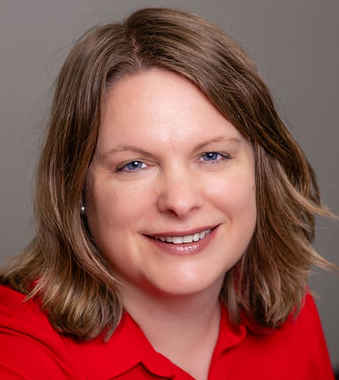
Hello and welcome to Christian Faith and OCD with Carrie Bock. I’m a Christ follower, wife and mother, licensed professional counselor who helps Christians struggling with OCD get to a deeper level of healing. When I couldn’t find resources for my clients with OCD, God called me to bring this podcast to you with practical tools for developing greater peace.
We’re here to bust through the shame and stigma surrounding struggling with OCD as a Christian, sharing hopeful stories of healing and helping you replace uncertainty with faith. I’m here to help you let go of the past and future to walk in the present abundant life God has for you. So let’s dive right into today’s episode.
Welcome back, everyone in Happy 2026. Today we’re talking about your survey results. If you participated in the Christian Faith and OCD listener survey that was happening around our 200th episode celebration. Thank you so much for participating. If you didn’t participate and you wanna give your input to the podcast, whether that’s show suggestions, topics you’d like me to talk about.
Or if you just wanna tell us a little bit about your OCD journey and story, you can certainly always contact me via my website@carebach.com. I love hearing from all of you and we really take all things into consideration when I’m planning and making episodes. I have several different things that I would love to talk about on the podcast that I don’t necessarily have great guests for, and they’re things that I don’t know as much about.
So we’ve been kind of in the works at different points on trying to get someone on here. To talk about TMS, which I would love to do for OCD. I would love to have somebody come and talk more about family therapy with OCD. That’s not an area that I have a lot of expertise in. So anyway, if you know any of those people, or I know we have some therapists that listen to the show, if you feel like you have something that you wanna contribute to the conversation in 2026.
Please definitely contact me through my website. It might be a little while before things go from idea to get on the air, but do know that we take all these suggestions that you give us into consideration. If you have a pastor that wants to talk about a particular OCD topic or has any type of experience with OCD, would love to have them on.
Just know that we do take. Various guest suggestions. We do talk to different people and see if they would be a good fit. I know that through the survey I learned from many of you that you are interested in kind of some of these other topics co-occurring autism and OCD would love to have a guest on for that.
There’s a process to this. We do some research, we do some outreach. But sometimes if we have someone that builds a bridge for us, or if you know somebody that usually does a better outreach than just a cold ask, and of course sometimes people say no, and we just have to accept that, right? We have to accept no for an answer.
We do the best that we can over here to get you the information that you’re looking for. So just know that a lot of those things certainly are on my mind and am looking for people that know more than I do about some areas. Now, one thing that I will be talking to you more about in 2026 that several of you wanted to hear about was more about scrupulosity.
I think that we definitely can expand and talk about a variety of different. Themes that come up in Scrupulosity where people get stuck on those themes, how to work on getting unstuck from them, and of course, I would love to talk with you about that. Now, when we talk about topics or suggestions, I want you to know about this really valuable tool on our website.
That a lot of you could use and benefit from. If you go to kerry b.com and click under podcast, there’s a page called podcast breakdown with a search feature. Now that may not show up on your phone. You may have to go on a computer to really get ahold of that resource, but you can type in scrupulosity, you can type in personal story.
You can type in just a variety of different things that you might wanna hear about and see if there’s an episode on it already. I know sometimes people will ask me about things and I’m like, oh yeah, I, I have a whole podcast episode on that. That’s great. Go here. So, just wanted to point that out as a resource and reminder for all of you, since we are gonna be diving more into Scrupulosity in 2026, if you do have specific questions or ideas for that.
Please email them to me. We may even do a question and answer episode. Would love to provide that as content for you. Something that you guys might be really interested in. Of course, this podcast is for you. It’s not for me to just kind of run my mouth about randomness. You the listeners, help create and shape what goes on here, and that was the whole point of the survey was so that I could get to know you guys better.
I’ve also been in some telephone conversations. Some of you so appreciate that. To talk with me about the course, about going through it via self-help. I’ve also gotten some feedback from those who have taken it live as well, and all of that has been just incredibly valuable because the more that I get to know you guys and know what kind of things you’re looking for and how I can help serve you better.
That’s really super helpful to me, and that’s what I want to be here to do. When I first started talking into the microphone five years ago, it was like, is anybody listening to this besides my mother? You know? And I was getting these download statistics, but that doesn’t tell you a whole lot. It may tell me whether or not someone is on an Android or an iPhone.
It’ll tell me maybe what podcast app they’re listening through, not you. Each individually. Mind you, this is just like statistical data that’s collected. I’m not getting like personal information. Where people are downloading episodes from, I can see that we have people that are listening all over the world and in various parts of the us, but I’m not getting into the nitty gritty of people’s stories when I’m just looking at download numbers.
That doesn’t really tell me a whole lot about you. I want to know more about you and the individual stories and what you are struggling with. So that was the idea behind, let’s take this survey. Haven’t pulled you guys in a while, haven’t sought to do any type of research lately. This was really important for me as I was prepping to go into 2026.
Now the funny thing about statistics is that in this scenario, it was all voluntary, so I don’t necessarily have a representative sample of who is listening to the podcast. I only know people that decided to join our email list and step up and take the survey and try to win $200. That’s all I know. Now, there were 46 of you that decided to do that, so thank you very much.
But my husband always box at statistics because he says, well, they didn’t ask me. I mean, how do they really know? I wasn’t involved in that. So you may listen to some of this and think, yeah, that doesn’t really apply to me, and that’s okay. You may not fall in line with some of these things. Now our most common age range for people that took the survey interesting were people like me.
And I say that because it was people in their forties, mostly female responses and people who were married. And I thought, well, that’s interesting, but I guess. Maybe some of you can relate to some of my stories or things that I’m going through now, of course, we definitely do have some single people that listen to the show and Steve and I have had our own single dish journey before getting together.
So we love all the single folks and try to talk about things that are gonna be relevant to you as well. We have, I would say, like a good chunk of people who are in the college age range that listen to the podcast, or maybe they’re just really. Starting to uncover their OCD symptoms or see them in a new way.
It may be that all that change of life stuff, that it gets really, really kicked up around that time as well. So know that it’s not all middle aged people around here. We do have some folks that are a little bit older too. More in the retired, well seasoned age range. Okay. You don’t wanna say things like old, doesn’t sound good.
So we’ll call you retired and more seasoned. We have a lot of people who are employed full-time, and we have a lot of stay at home parents, young moms that listen to the podcast. Obviously perinatal, OCD is a thing that happens sometimes. Those symptoms can get really kicked up around that time. Not always.
So we have a variety there in terms. People that are working or stay at home parents, a majority of the people who responded have been formally diagnosed with OCD, but we do have a chunk of people that listen that have not been diagnosed with OCD. And I would say that a lot of clients that I’ve seen in the past would say.
Hey, I know I have OCD just from Googling and the various research that I’ve done, but I’ve never actually been diagnosed by a doctor or by a therapist. I would say that’s pretty common of the OCD experience when looking at the types of things that people have tried in the past in terms of. Dealing with OCD, there were quite a few of you who had tried so many different things, whether that was self-help books or faith-based counseling, ERP talk therapy.
And we just wanna say here too, that if you are gonna seek care for OCD, it’s really important that you seek somebody that has training in an evidence-based practice. And evidence-based practice means that it has been researched and studied and shown to be effective. And that would be true for really any mental health disorder.
There’s a lot of people that are doing come talk and leave therapy is what I call it. It’s where you come into the room, you talk about your week, you talk about what you’re struggling with. You maybe get an idea or two of what to do differently next week, and you come back and you repeat the whole cycle.
I’ve talked about this in podcast episodes in the past on why talk therapy is not effective for OCD. This type of come talk and leave therapy, it ends up being a lot of coating, reassurance seeking, and that just strengthens the OCD over and over. We don’t wanna do that. So make sure that you’re finding your provider who is trained in either ERPI, CCBT is doing some very strong acceptance and commitment therapy.
Something of that nature that’s really gonna help you move the needle forward. A tragedy that I think happens to a lot of people is that they spend a lot of money, time, energy on therapy for OCD or related issues, and they’re just not getting what they’re needing. At the end of the day, it’s an effort to really put in and do this work.
It’s hard to find a therapist. I hear that from you guys all the time. You’re really wanting somebody. That values your faith or is coming from that same Christian faith system and just know that I truly believe that God will bring the right person into your life or lead you to the right therapist that can help you.
I do believe that there’s help out there. Sometimes it’s just hard to find and you really have to call around, do the 15 minute consultations on the phone, like research. It’s a challenge, but I just really encourage you to seek treatment if you need it. That was something else that came out of the survey, and I have heard this from you guys in the past is the podcast has helped people be okay with taking medication for OCD or be okay with seeking out help in therapy.
And that’s just so exciting to me if this, I feel very humbled to be on this journey with you guys. Where you’re kind of like allowing me into this space to talk about hard things and also recognize like, Hey, I probably need to be doing a little bit more than just listening to a podcast. Like what is my next step?
And the next step may look very different for you versus the next person that listens to the podcast. It may really depend on the severity of the OCD that you’re dealing with. If you’re in a very severe situation, you may need some type of inpatient care or intensive outpatient type of care until you can get more stable to be able to do outpatient therapy.
If that’s where you’re at, just know that that’s okay, that it is good for you to get an assessment and try to see what you need moving forward. We have other people that are on the more milder end, or they have caught OCD a little bit earlier and they’re able to go do the self-help course online that I have with I CCB t, learn the skills, learn the tools, and I’ve been able to hear from some people that they’ve been quite successful in being able to do that and that it’s helped them greatly.
And that just really has blessed me as well. And I just want that for more and more of you guys to get some sense of freedom and some relief, but really to be empowered in your OC d journey. And that is why I have decided to change the name of the course. I have had online for a while now from Christians learning ICBT to Empowered Mind, Christian, ICBT for OCD.
Our subtitle gives you a very clear idea of what you’re gonna be getting, but that Empowered Mind piece is really the transformational process. It’s people saying, I learned these skills, and I feel so empowered to be able to have a different relationship with my OCD. A different relationship with these intrusive thoughts.
I’m getting ready on February 9th, I am going to be teaching through Empowered Mind Alive. Know that if you start the self-help now, you can always certainly upgrade to that in the future. If you are on our email list, you’ll be hearing more about this and we’ll be doing more promotions. But I am very excited about this because we’re really in the ICBT community.
We’re moving away from the 12 modules of ICBT to teach these concepts more topically. So that is what I will be doing during that live training and after we do the live trainings. My assistant goes through and does a little bit of cleanup, editing, and then we put it out there into the self-help course and integrate it that way.
Also, working on just additional worksheets to help with things like Scrupulosity to help people really start to understand their OCD or build a little bit more awareness of it. I want to start at the ground level. How do we know this is OCD or not? Sometimes people come in and they have a pretty good awareness of what’s OCD and what’s not, but oftentimes as they go through the course, they start to see OCD in areas that they didn’t see it in before.
They just thought that was their own thought process or way of thinking about things. It may be that they just thought that they were hung up or stuck on something but didn’t recognize. The obsessional reasoning process in there. So back to the survey results. Oftentimes, even if you didn’t know it was OCD people indicated that they learned that these symptoms started in early childhood or adolescence.
So that means that most of you out there, probably if you’re have been dealing with this with over 10 years, many people over 15 or 20 years if they’re older. And that’s tough. Two things can happen there when you’ve been dealing with symptoms for a long time. One is you can develop a sense of hopelessness, and I just wanna talk about this for a moment.
You may feel like I’m just never gonna get better. This is just the way life is gonna be. Uh, there are certain rituals that I’m gonna have to do in the morning. There may be certain rituals that I have to do at night. There are certain rituals I have to do in the bathroom. There are certain things that I have to do in church to try to manage all my thought processes about communion or other things that may be distracting you.
Maybe it’s certain songs or certain words that are used in church, certain topics. Things that you have a hard time reading the Bible and you may just feel some sense of resignation with this hopelessness of like, well, I’ve been dealing with this for so long. I’ve tried A, B, C, D. I tried therapy in the past.
I tried talking to the pastor. I tried reading this self-help book, and maybe it helped some, maybe some of those things help you a little bit. But you still feel stuck and you still feel like OCD is impacting your life in a big way and you don’t want it to anymore. I would just say that I have dealt with people with varying levels of severity, and I want you to know that there’s hope for you to have a different relationship with your OCD than you do now, even if it’s something that feels really ingrained or stuck.
I have watched people change patterns that have been years and years and years. It takes more time, it takes more intentionality. Sometimes it takes doing some more intensive level work, and that is something obviously that I’m hoping to do more of in the new year. So if you wanna come see me for an intensive open invitation.
Check that out on my website and definitely do some longer retreat style type therapy. And because you’ve been thinking this way for so long doesn’t mean that you can’t change. We know so much about the brain now and neuroplasticity. People can change the connections in their brain, and it’s absolutely incredible to be able to see this and know this, but it starts with a day by day by day choice to look at something differently.
To say, this is a story that I have always told myself. Do I actually believe that? Is that actually true? Am I going to continue to listen to the same OCD story that’s telling me? That I’m not saved or that I’m dirty, or that I’m not forgiven, whatever that story is. We spend a lot of time in inference based cognitive behavioral therapy.
I CCB t dismantling those stories, pulling them apart, seeing what evidence OCD is using and helping you write an alternative narrative. When I tell you that those alternative narratives are life changing. When people can actually sink into them and say, yes, this is the truth, and I believe it about God, I believe it about myself.
That is transformational. To be able to recognize I’ve been believing all these lies. And now I’m looking at my relationship with God differently. I’m looking at myself differently. What was so cool about this last round of the ICBT training was that people sent me their alternative narratives, or they had told me, Hey, I use scripture in my alternative narrative.
I thought that was absolutely a beautiful integration basically of Christianity and of the secular therapy that’s considered value free to be able to say. Wow. This is the truth that I believe that I’m going to stand on, and I’m actually gonna write it into this alternative narrative, guys. Beautiful. I think sometimes this can be an obsession as well that people have is like, well, my theme is too difficult and no one is gonna be able to help me with this theme.
And what’s interesting about that is I’ve had people say, oh, I wish I had contamination. That would be easy. I’m like, well, talk to somebody with contamination and they’ll tell you. Why it’s not easy and how germs can live everywhere. And they may have been really sick in the past and that influenced their obsessional story, or they may know a relative who’s gotten some kind of rare disease in the past or has died from something.
It’s not any easier to have one theme than the other theme. So if you’re telling yourself that your theme is not treatable. Or it’s too hard, or you wish you had a different one, then that’s a lie. People get really, really stuck up on their theme and whether or not I can help them with their theme, which I find really interesting.
’cause here’s what happens. They all get treated the same. You are not that special. I don’t say that in a mean way, but the reality is when you look at the obsessional reasoning process, it is exactly the same regardless of your theme. It just attaches to different things, different ways. OCD is still using past personal experience to tell you that, oh, it happened to you last time.
It could happen to you. This time. It’s still gonna be using things like other people’s experiences or newspaper stories or things you find on the internet. Lemme tell you, my clients tell me information that I’m like, how do you know these things? Like, are you seeking this out? Or just like, it just pops up on their social media feed because the algorithm knows what kind of things you search for.
I gotta watch out for that. I had a client who was watching a bunch of recall videos and I’m like, why are you watching this? This is not good. Or clients that really get stuck up on health anxiety that they’ll tell me about all these different strains of viruses and. Bacteria things that you can catch.
And I’m like, what? I mean even about special hand sanitizers, like you guys have done the research, you know the things and the reality is that you can get so sucked into all of that extra information that’s not relevant to what’s actually going on. Right here and right now. So that’s what ICBT teaches you is to like really narrow down, like exclude information that’s irrelevant, exclude information that is completely a result of like your hijacked imagination system where OCD takes over and creates all these pictures and horrible things that are gonna happen to you.
So you learn how to really dismantle that, but it’s the same regardless of the theme. OCD is still going to come up with all kinds of hypothetical scenarios. It doesn’t matter if they’re possible or not, it doesn’t matter the probability. OCD is going to convince you that it is real. It is going to happen, and then it’s gonna provide some lovely things we call phantom sensations, so that it not only sounds good, but now it feels real.
And because it feels real, then therefore we’re going to pop back and believe that it’s true. It just strengthens that whole doubt process for you. I noticed that people who are finding and listening to this podcast really are struggling the most with mental ruminations and automatic thought processes or words even repeating certain scriptures or Christian ideas, and obviously those mental compulsions can be very, very hard to break.
These things take time and practice and intentionality. So know that if that’s something that you’re dealing with, that A, you’re in the right place because these are the types of things that we talk about on this podcast dealing with, especially in the spiritual realm. But B, know that what I believe are there’s difference between compulsions and rituals.
I know this kind of like splitting hairs maybe for some of you, because. All rituals are composed of compulsions, but how I see it differently is like if you’ve always responded to a situation automatically with this mental compulsion, it’s now become a ritual and that’s going to be harder to break down.
It’s gonna be harder for you to not engage in that way. It still can be done. And you still have to know like why you’re doing it, I think is a big key component of it. Why you don’t need to give into that repetitive prayer is a huge thing. Once you know that, then it’s also learning to deal with some of the distressing anxiety and emotion of, if I don’t respond to this, it’s gonna feel really bad.
Then we kind of hit up against identity work of who am I if I don’t respond in this way? That’s huge. Talk about that a lot in I Ccbt. I think it’s a huge missing experience in ERP therapy. That’s just my opinion. I’ve not really met ERP therapists who are talking to me about how their client’s identities have to change in order to not give into these compulsions.
But after seeing hundreds of ooc D clients, this is what I believe. You cannot be the same person and continue to do these same behaviors, your identity itself is actually gonna have to change. And that’s not a bad thing. What rubs up against is how are other people gonna respond to me in my life if I do change?
Like, what’s gonna happen there? So just know that, that those are really important pieces. I think what I wanna say about the survey is that. So many of you have been struggling with OCD for so long. It feels really entrenched. It may have waxed and waned over these years depending on how stressed you were or how not stressed you were, how stuck you were on a particular theme.
Or sometimes that theme just kind of runs its course and then it’s done and you think, okay, well maybe I’m doing a little bit better and maybe I’m okay here. I do have a tremendous amount of empathy for how hard that is. How hard it is to get up every day and feel like you’re in a battle before your feet even hit the floor, because you can wake up having thought processes.
Sometimes that happens to me. I know, I’m sure it happens to other people as well. I woke up in the middle of the night the other night and I told my husband, I said, I woke up having thoughts. I can’t tell you what they were about. I just know that my brain was kind of like running when I woke up, and at some point I went back to sleep.
Sometimes your thoughts are always gonna be there, and so really learning, okay, how can I make the most of this struggle? How can I adapt my life? How can I live in a way that’s purposeful, that’s honoring to God, that where I can love God? I love other people knowing that there may be a remnants of this struggle in here till the day I die.
This may be the thorn in the flesh. Some of you probably, if you’re earlier on in your journey, don’t wanna hear that. Don’t wanna believe that. And while I say that, I do believe that there’s hope that you can have a different relationship with your OCD. I do believe that treatment works. It doesn’t mean that you’re never gonna struggle with this ever again.
And so coming to that place of understanding. Leaning into that acceptance that at the end of the day, OCD is a chronic condition, and what I want you to know is that you can have tools to be able to respond to these mental compulsions differently tools to be able to respond to physical compulsions differently and know that you can dismantle some of these OCD arguments.
There were a lot of frustrations with ERP that came out of the survey as well. People who feel like, Hey, I tried it. It didn’t work. It hasn’t been successful. Sometimes people feel like, okay, ERP was really helpful for this theme that was maybe a little bit more physical compulsion related, but now that I have more of a mental.
Or more scrupulosity theme. I’m not finding ERP to be helpful or you don’t want to engage with ERP because it requires sitting with some very uncomfortable thought processes and not responding to them or exposing yourself to things that you don’t want to expose yourself to because they don’t feel aligned with you spiritually.
And I would say if that’s you, you fall into that category, you’re definitely in the right place. There were a couple of survey responses of people who had taken the self-help worse and who feel very positive about it and felt like it was very helpful to them. I think there were a couple people who felt like they were in a level of remission of OCD symptoms from taking that.
Like I said, it depends on how long this is going on, what your level of severity is. Whether there’s a lot more like generalized anxiety that has not popped into OCD symptoms. Obviously this is gonna look different for different people, but I just found that so encouraging that people in different parts of the United States or in other parts of the world could hop on, learn from these live trainings that I have done, that have been put now into the self-help modules and feel like.
They’re in a good place with their OCD. That to me, was so huge, especially for many of you who are dealing with sexual themes. That’s something that comes up quite a bit and can be very shameful. Blasphemy can be really hard for people. To go into therapy and talk about, and while I believe that there’s huge value in sharing your life with another trusted person, where you can unpack some of these things together, I know the challenges that people have.
Maybe it’s three to six months to get into see a therapist. Maybe they’ve called around and they just haven’t found anybody. Maybe it wasn’t financially feasible, whatever the story is. The fact that people were able to hop on and it takes some level of diligence and planning, some intentionality to say, Hey, I’m gonna get on here every week, watch this 45 minute video.
I’m gonna take about 30 minutes to do these homework worksheets and really apply it to my life. But the fact that people have had the diligence to get on there and do that was very encouraging to me, and I am so thankful. I know that empowered mind is not for everybody out there, because I know some of you say, you know what?
I don’t have the self discipline to go in there and do the work. Or you may not be ready. There may be some type of ambivalence. You may be struggling with hopelessness. You may feel like, man, that’s gonna take a lot of emotional energy or mental energy that I just can’t expend right now. And if that’s, you know that, that’s okay.
But I would just really challenge all of you who are listening to this. What is your next step in your OCD journey? Know that you are not alone, that there are many other people out here struggling with you. That was part of the point of talking about this, that many people are suffering in silence. But what is your next step?
Maybe you haven’t ever bought a self-help book before. You want to try that verse? Maybe you haven’t ever been vulnerable with anybody and talked with them about your OCD. Maybe it’s just a friend or a family member or a spiritual mentor or a pastor. Maybe that is the next step for you to ease some of that shame and practice a healthy level of vulnerability.
Obviously, you wanna make sure that that’s a safe person. We have an episode on that that you could search for on our website about telling someone else about your OCD. Maybe your next step is to try medication if that’s something that you’ve never tried before, so that you’re not having to constantly fight thoughts over and over and over again, and if medication could help ease some of that burden for you, maybe that’s your next step.
So really think through and process. What’s the next step that I wanna take on my OCD healing journey? For some of you, it’s gonna be to get better sleep. For others of you, it might be to reduce your stress or to eat a little bit better, whatever it is. I just encourage you to take action today. Take one small step towards the life that you’re wanting to live and really pray through.
Ask the Lord. What is my next step? What’s the next thing I need to do? Maybe it’s search for a counselor. Maybe it’s send an email. Maybe it’s talk to a trusted person. Whatever that is, I want to encourage you to do that and just know that you can always find me online@kerryblock.com. I have an email that I send out once a week as a point of encouragement to you.
I’ll share little stories about my daughter and other things that I’m learning, things that are going on in my life, funny little stories and things like that. So we’d love to have you get our weekly newsletter comes out every Wednesday morning. Thank you so much for listening and tuning. Until next time, may you be comforted by God’s great love for you.
Christian faith in OCD is a production of by the Well Counseling. This podcast is for informational purposes only, and should not be a substitute for seeking mental health treatment in your area.